
Specialist Services
What Are Dermal Filler Injections?
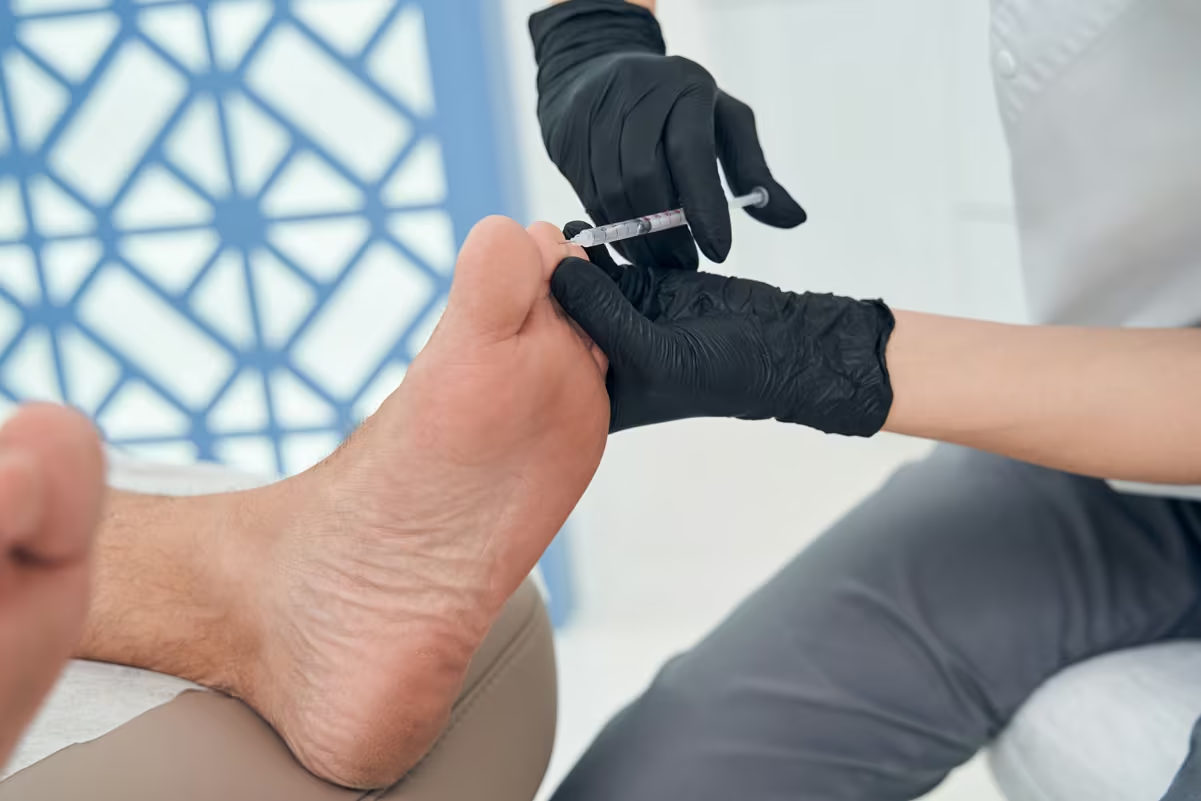
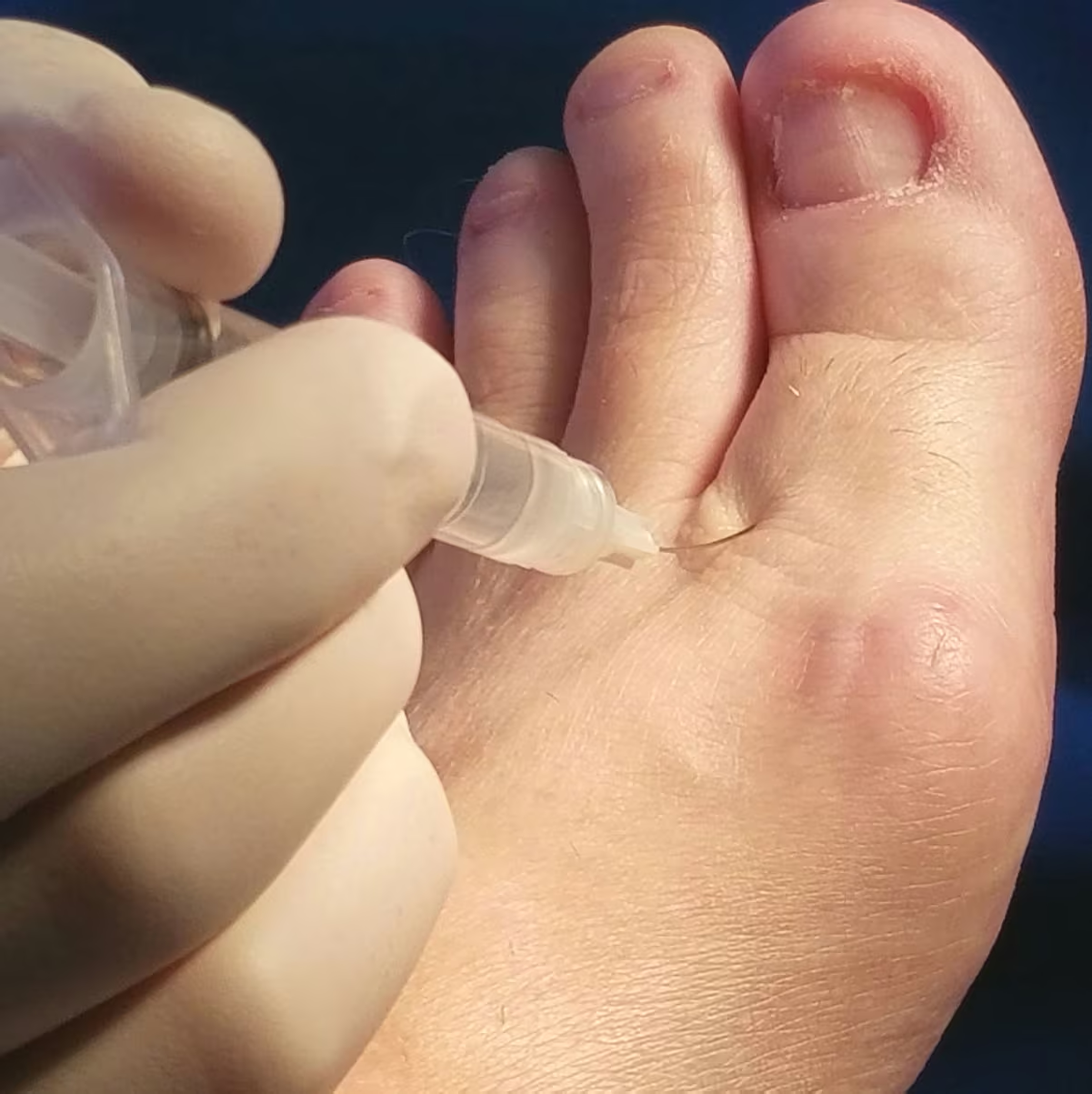
At Manchester Feet, we offer dermal filler injections to address a range of foot-related issues. Dermal filler injections are the introduction of a gel-like substance beneath the skin to offer cushioning, ease pressure, and replenish lost fatty tissue. Renowned for their rapid efficacy, these injections are a sought-after solution for addressing pressure related foot pain and discomfort. Specifically tailored for feet, dermal fillers can effectively target concerns such as corns, calluses, recurrent ulcers, and other high-pressure areas lacking natural fatty padding.
The procedure begins with the application of a local anaesthetic injection to numb the foot, followed by the precise administration of dermal fillers into the designated area(s).
Specialist Services
What Do Filler Injections Treat?
Dermal filler injections are commonly used to treat various foot-related issues, including:
Plantar Fat Pad Atrophy
Dermal fillers can be used to restore cushioning and padding in the ball of the foot, addressing discomfort caused by fat pad thinning.
Callus
Dermal fillers can improve the appearance and alleviate discomfort associated with hard skin build up on the feet.
Corns
Dermal fillers can be used to stop recurrent corns from returning.
These treatments can be tailored to address individual concerns and improve both the function and comfort of the feet.
Specialist Services
How Will Dermal Filler Injections Help Me?
Dermal filler injections can help in several ways:
Restoring Comfort
By restoring volume and cushioning, dermal fillers can alleviate pain and discomfort associated with conditions such as plantar fat pad atrophy, allowing for improved comfort while walking and standing.
Reducing Hard Skin Build-Up and Preventing Corns
Dermal filler injections can help reduce the build-up of hard skin and prevent the recurrence of corns, particularly in areas of high pressure or friction on the feet.
The Elderly
Aging can lead to natural fat pad atrophy and changes in foot structure, making the elderly particularly suitable candidates for dermal filler injections to restore cushioning and alleviate discomfort.
High Heel Wearers
Those who frequently wear high heels may experience foot pain and discomfort due to increased pressure on the forefoot. Dermal fillers can provide relief and improve comfort for this group.
Minimal Downtime
Patients can typically resume their regular activities following within a few days of the procedure, making dermal filler injections a convenient option for those with busy lifestyles.
It’s important to consult a qualified podiatrist to determine if dermal filler injections are suitable for addressing your specific concerns.
Specialist Services
How Do Dermal Filler Injections Work?
Dermal filler injections work by introducing a gel-like substance beneath the skin to restore lost volume and improve skin elasticity. The process typically involves the following steps:
Dermal filler injections work by introducing a gel-like substance beneath the skin to restore lost volume and improve skin elasticity. The process typically involves the following steps:
Restoring Volume
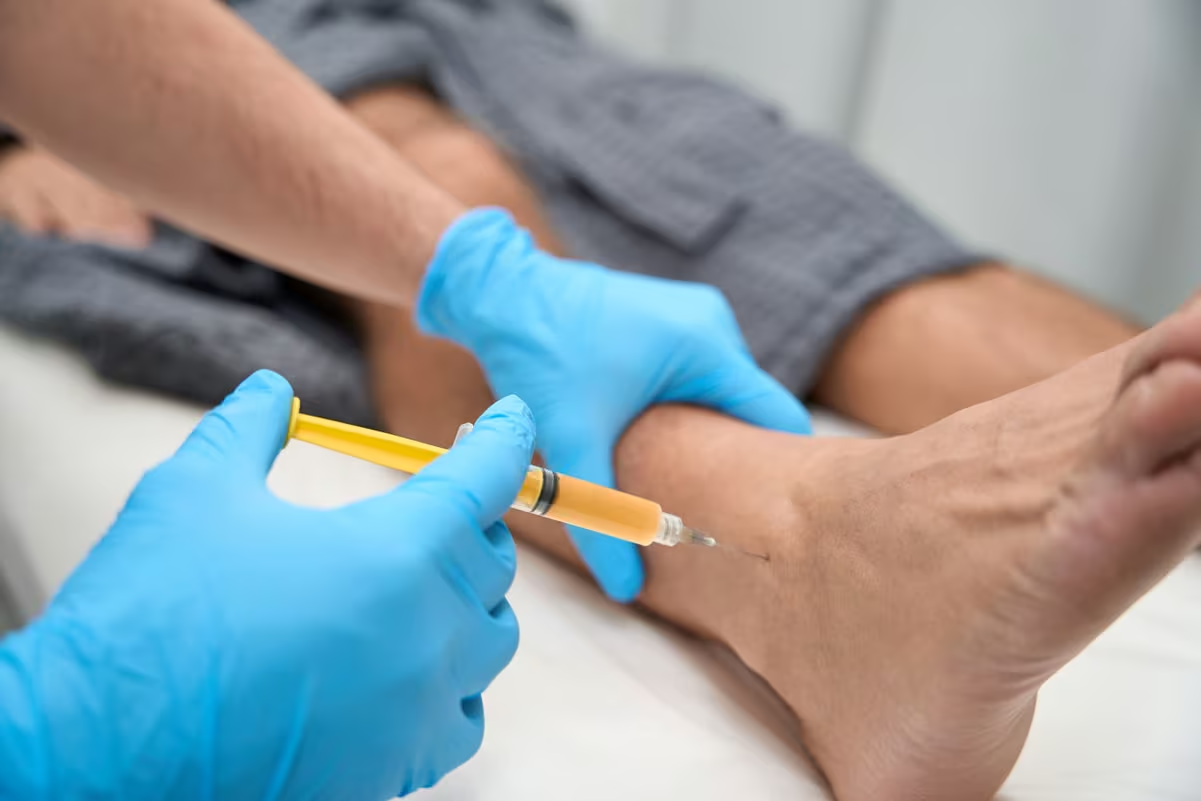
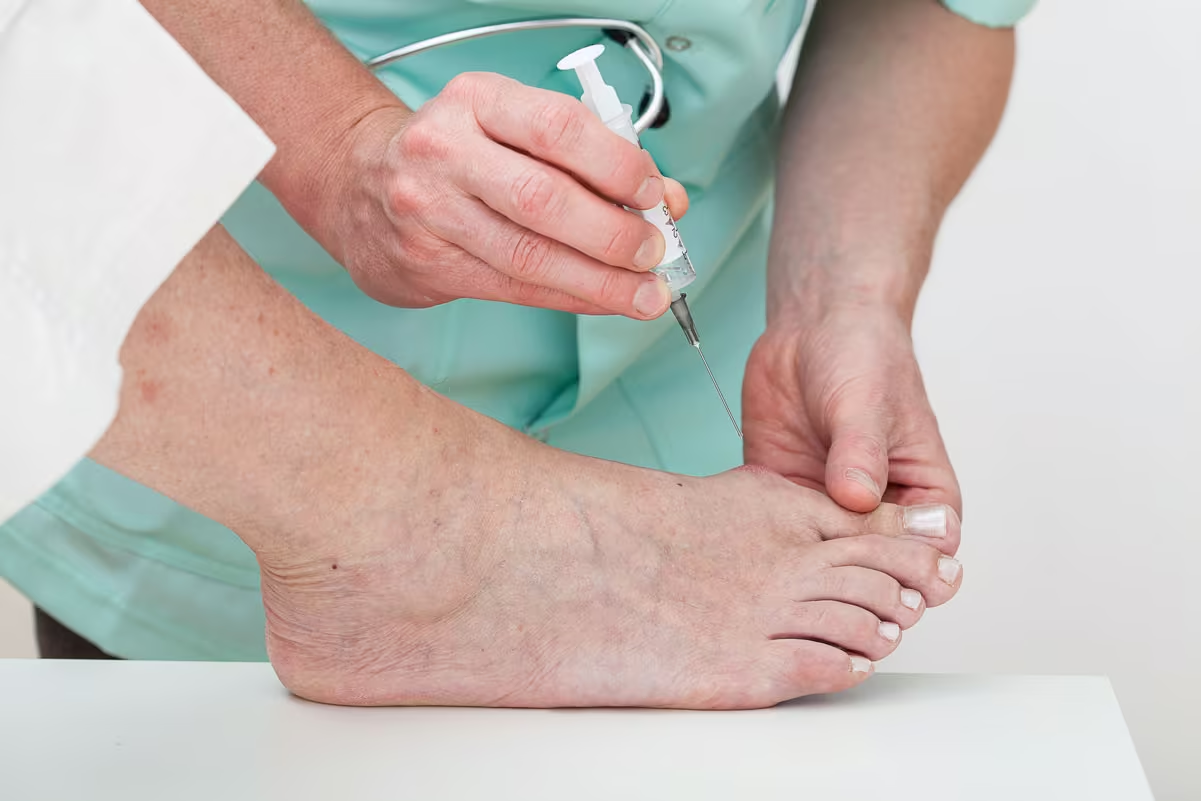
The dermal filler, which can consist of naturally derived or synthetic materials, is carefully injected into targeted areas of the feet. Once injected, the filler serves to restore volume. This is particularly helpful for cushioning high pressure areas of the feet.
Attracting Water to the Injection Site
Dermal fillers have the ability to attract water to the injection site, helping to hydrate and plump the surrounding tissues. This hydration contributes to improved skin texture and suppleness, further enhancing the overall effectiveness of the treatment.
Dermal filler injections work to address volume loss and cushion high-pressure areas of the feet. They provide relief for various foot-related concerns such as corns or callus.
Specialist Services
How Will Dermal Filler Injections Help Me?
Dermal filler injections can help in several ways:
Restoring Comfort
By restoring volume and cushioning, dermal fillers can alleviate pain and discomfort associated with conditions such as plantar fat pad atrophy, allowing for improved comfort while walking and standing.
Reducing Hard Skin Build-Up and Preventing Corns
Dermal filler injections can help reduce the build-up of hard skin and prevent the recurrence of corns, particularly in areas of high pressure or friction on the feet.
The Elderly
Aging can lead to natural fat pad atrophy and changes in foot structure, making the elderly particularly suitable candidates for dermal filler injections to restore cushioning and alleviate discomfort.
High Heel Wearers
Those who frequently wear high heels may experience foot pain and discomfort due to increased pressure on the forefoot. Dermal fillers can provide relief and improve comfort for this group.
Minimal Downtime
Patients can typically resume their regular activities following within a few days of the procedure, making dermal filler injections a convenient option for those with busy lifestyles.
It’s important to consult a qualified podiatrist to determine if dermal filler injections are suitable for addressing your specific concerns.
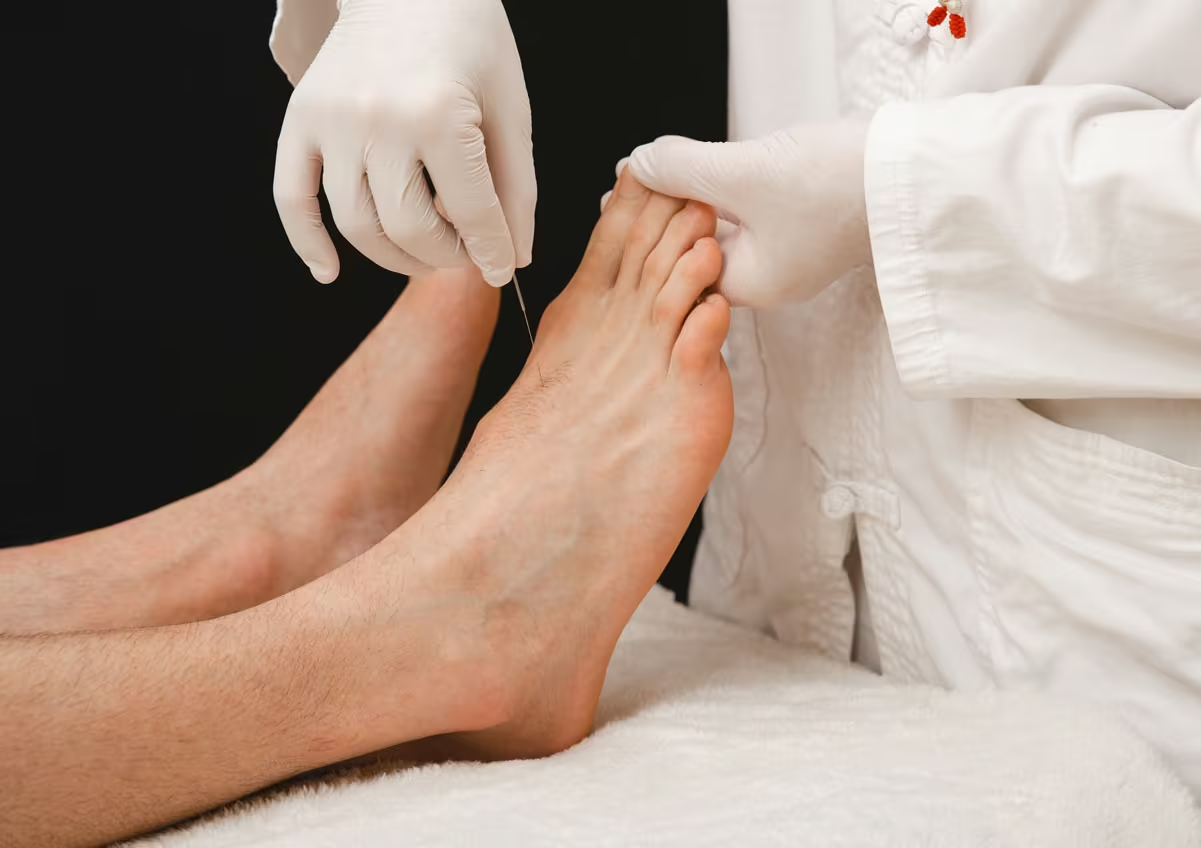
Stage 1 – Your First Assessment
Your first visit is all about making sure this treatment is right for you.
We’ll take time to:
- Go through your medical history and any medications
- Check your circulation and nerve health
- Look at your foot structure and biomechanics
We’ll also remove any hard skin (callus) and carefully remove any corns using a sterile scalpel.
Once this is done, we’ll ask you to return in one week for your next stage of treatment.
Stage 2 – First Application
At this appointment, we’ll gently numb the area using a local anaesthetic (LA) so you won’t feel any discomfort.
We’ll then place the first layer of HA filler just under the area where the corn or pressure point was.
Once the treatment is complete, we’ll apply protective padding to help the filler settle in nicely.
Please note: You won’t be insured to drive for 12 hours after this appointment due to the local anaesthetic.
We’ll see you again in 4 weeks for your next stage.
Stage 3 – Second Application
This appointment is very similar to the previous one.
We’ll use a local anaesthetic again to keep you comfortable, and then apply a second layer of HA filler beneath the area that was treated before.
We find this layering technique helps the results last longer and provides greater comfort over time.
Padding will again be applied to allow everything to settle properly.
Please note: You won’t be insured to drive for 12 hours after this appointment due to the local anaesthetic.
Stage 4 – Review and Top-Up
By this stage, most patients notice a big improvement in comfort — many are even completely pain-free.
If you need a little extra support, you can return within 3 months for a top-up (third layer) to maintain the best possible results.